

They Volunteered to Starve for Six Months. Would They Do It Again?
In 1944, 36 conscientious objectors moved into a Minnesota lab to go hungry. Food took over their days. The results came out in 1950. Kalm and Semba, 2005, and Keys and colleagues, 1950
The short answer
The men were conscientious objectors who chose to take part. Ancel Keys wanted to learn how to feed starved people back to health. During six hungry months, food took over their days. For some, being fed again was the hard part, and the survivors interviewed were not back to normal three months later. The results rest on 32 of the 36 men and came out in 1950, in two volumes.
Chapters
- Asked to starve: the Minnesota Starvation Experiment
- Why science needed a starvation study
- The conscientious objectors who signed up
- Three months of full plates
- The hungry months: what hunger did to the mind
- Refeeding: being fed again
- What the study was for
- Sixty years later: would they do it again?
- Next: the Stanford prison study
| Famous version | The record |
|---|---|
| The men were prisoners made to starve. | They were conscientious objectors who answered a pamphlet. Hundreds said yes, and 36 were picked. Kalm and Semba, 2005 |
| None of the men broke the diet. | Two volunteers broke the diet and were let go. The results rest on 32 of the 36. Kalm and Semba, 2005 |
| Once they could eat again, the men were fine. | The survivors interviewed were not back to normal after three months. Their guesses ran from two months to two years. Kalm and Semba, 2005 |
| The study fed postwar Europe. | Findings went to relief groups and the military. Earl Heckman, a volunteer, said the experiment was a little late. Kalm and Semba, 2005 |
| The men came to regret it. | All 18 survivors interviewed said they would sign up again. A 2021 paper still calls it unethical research. Kalm and Semba, 2005, and Lederman and Voo, 2021 |
The story in 8 scenes
-
 1 Asked to starve: the Minnesota Starvation Experiment
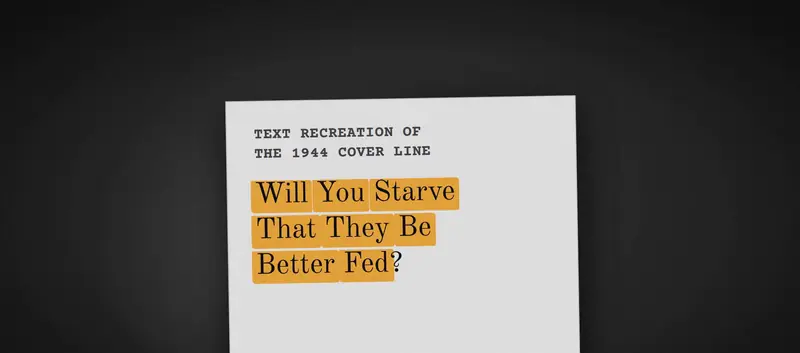
In 1944, the call came on a pamphlet. Its cover asked one question. Will you starve that they be better fed?12
Watch at 0:16 -
 2 The conscientious objectors who signed up
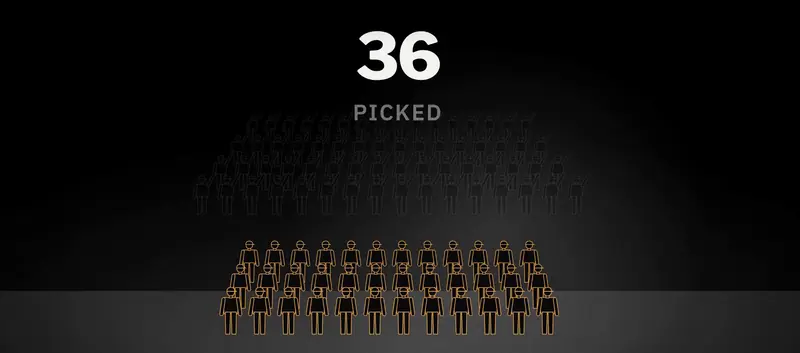
So when the pamphlet came round the camps, hundreds answered. Thirty six were picked.12
Watch at 1:53 -
 3 The conscientious objectors who signed up
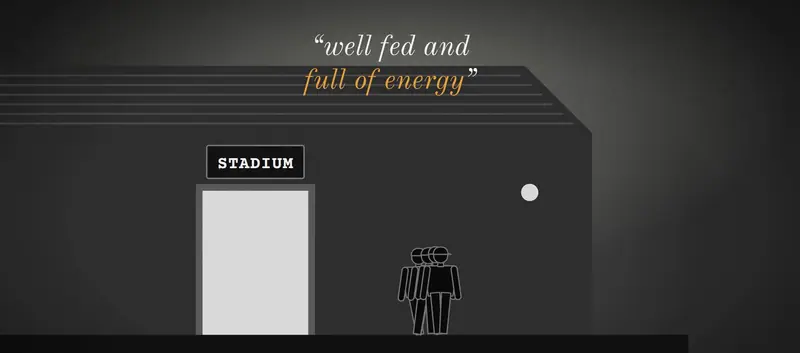
For the first three months, nobody went hungry. The men said they felt well fed and full of energy.13
Watch at 2:31 -
 4 The hungry months: what hunger did to the mind
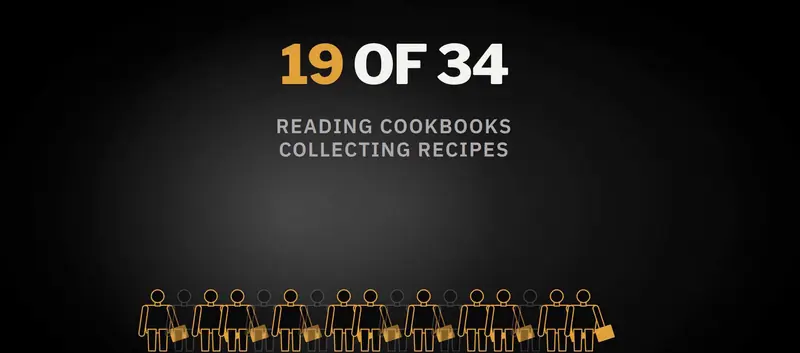
Of thirty four men who answered, nineteen said they had been reading cookbooks and collecting recipes.2
Watch at 3:40 -
 5 The hungry months: what hunger did to the mind
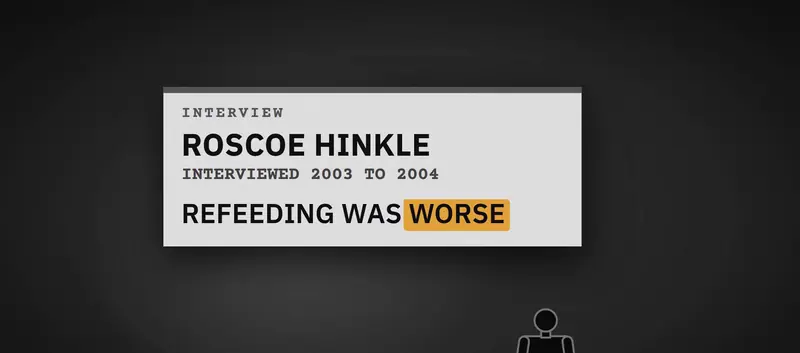
Roscoe Hinkle said the refeeding turned out to be worse for him than anything else.1
Watch at 6:29 -
 6 Refeeding: being fed again
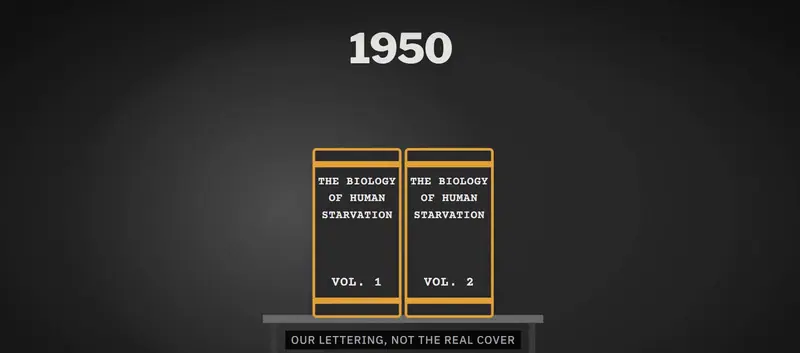
In 1950 the team published their results, in two volumes.12
Watch at 7:59 -
 7 What the study was for
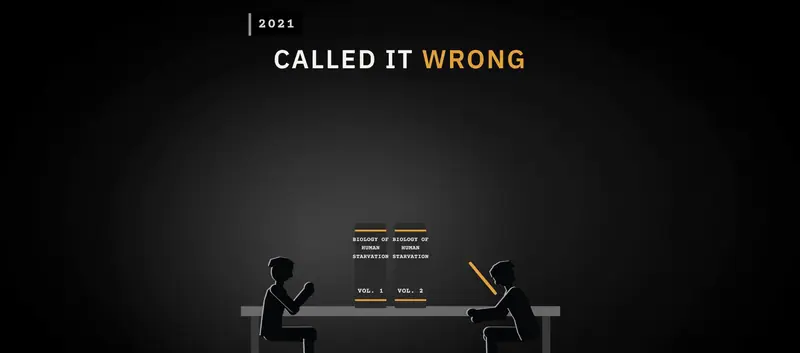
In 2021, two researchers looked back at the study and called it wrong.7
Watch at 8:20 -
 8 Sixty years later: would they do it again?
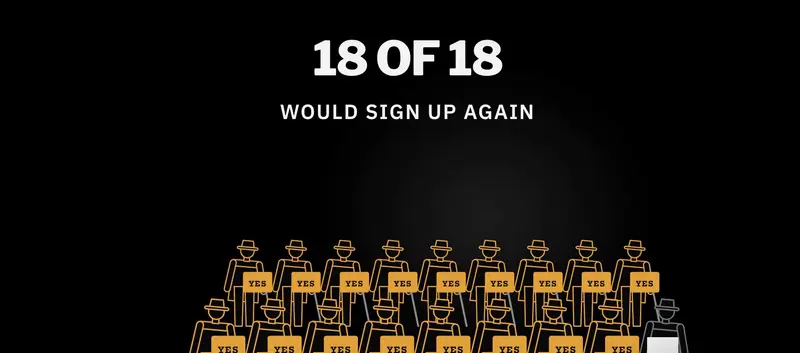
Almost sixty years later, every one of the eighteen said yes. Knowing how it felt, they would sign up again.1
Watch at 10:10


What happened
As the war was ending, Allied troops found starving civilians in Europe. Ancel Keys, a young professor of physiology, proposed a test: make healthy volunteers go hungry, then feed them back up. The War Department let him look among about twelve thousand conscientious objectors. Hundreds answered the pamphlet, and 36 were picked.
On February 12, 1945, the food was cut, to a diet copied from what people were eating in the war in Europe. It lasted six months. Food took over their days, and some men collected cookbooks. Two volunteers broke the diet and were let go, and the results rest on 32 men.
For some men, being fed again was the hard part. A 1946 manual for relief workers called recovery two steps ahead and one step backwards. In 1950 the team published The Biology of Human Starvation, in two volumes, and researchers still cite it.
In 2021, Lederman and Voo argued it is a case of unethical research. Almost sixty years after the study, Kalm and Semba found 19 of the 36 men still alive and interviewed 18 of them. Every one of the 18 said he would sign up again.
Read the start of the transcript
Transcript
They were asked to starve for six months.
Hundreds said yes.
Almost sixty years later, eighteen of the survivors were asked if they would do it again.
Samuel Legg once hated a boy on a bicycle for going home to supper.
In 1944, the call came on a pamphlet.
Its cover asked one question. Will you starve that they be better fed?
Questions
What were the results of the Minnesota Starvation Experiment?
Food took over the men's days, and for some, being fed again was harder than the hunger. The team published the results in 1950, in two volumes. Researchers still cite them.
Why did the men volunteer?
They were conscientious objectors who had refused to fight in the war. Many wanted to do something useful in a war they would not fight.
Would the men do it again?
Almost sixty years later, 18 survivors were interviewed. Every one of them said yes.
Sources (8)
- Kalm, L. M., and Semba, R. D. (2005). They starved so that others be better fed: Remembering Ancel Keys and the Minnesota Experiment. The Journal of Nutrition, 135(6), 1347 to 1352. doi.org/10.1093/jn/135.6.1347
- Keys, A., Brozek, J., Henschel, A., Mickelsen, O., and Taylor, H. L. (1950). The Biology of Human Starvation. University of Minnesota Press. doi.org/10.5749/9781452937991
- Guetzkow, H. S., and Bowman, P. H. (1946). Men and Hunger: A Psychological Manual for Relief Workers. Brethren Publishing House. archive.org
- Eisan, L. (1948). Pathways of Peace: A History of the Civilian Public Service Program. Brethren Publishing House, chapter 9. archive.org
- American RadioWorks. Battles of Belief, Parts 1 and 2. American Public Media. americanradioworks.publicradio.org
- Dulloo, A. G. (2021). Physiology of weight regain: Lessons from the classic Minnesota Starvation Experiment on human body composition regulation. Obesity Reviews, 22(S2). doi.org/10.1111/obr.13189
- Lederman, Z., and Voo, T. C. (2021). The Minnesota Starvation Experiment and force feeding of prisoners. Journal of Bioethical Inquiry, 18(3), 407 to 416. doi.org/10.1007/s11673-021-10109-z
- Le Texier, T. (2019). Debunking the Stanford Prison Experiment. American Psychologist, 74(7), 823 to 839. doi.org/10.1037/amp0000401

